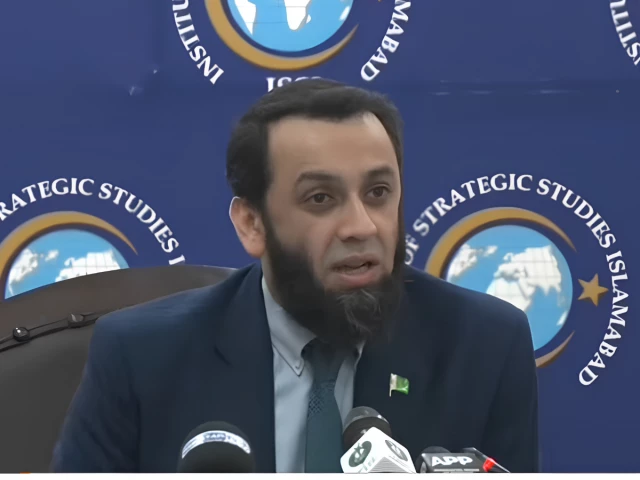
Tarar calls IWT a matter of survival for Pakistanis, says water cannot be used as weapon

“Information Minister Attaullah Tarar says the Indus Waters Treaty is vital to Pakistan’s survival, cannot be unilaterally suspended, and water must not be used …”
IISLAMABAD —Federal Minister for Information and Broadcasting Attaullah Tarar has said the Indus Waters Treaty is directly linked to Pakistan’s survival and cannot be unilaterally suspended or put on hold.
Speaking at the launch of a special report examining the historical, legal and strategic dimensions of the treaty’s suspension and the use of water as a weapon, Tarar said international agreements become binding on the parties once they are concluded.
He described the Indus Waters Treaty as more than a written agreement, stressing that its provisions cannot simply be suspended or terminated by one side. He also said international legal forums had issued decisions supporting Pakistan’s position on the matter.
"Stay connected with Aman-e-Pakistan for ongoing live reporting and verified investigative updates."
He said Pakistan has raised its concerns over the treaty through diplomatic channels and maintains that the agreement can neither be suspended nor placed in abeyance. The minister said the treaty has historically served as a mechanism for regional peace and stability.
He stressed that Pakistan would not accept the use of water as a means of exerting pressure, given its direct connection to the country's population, agriculture and economy. Tarar also referred to Pakistan’s losses in its fight against terrorism, saying the country had sacrificed thousands of lives and suffered billions of dollars in economic losses.
He alleged that Pakistan’s eastern neighbour had made what he described as unfounded accusations of cross-border interference and subsequently announced keeping the Indus Waters Treaty in abeyance on that basis. The information minister reiterated that Pakistan seeks peace but would not accept water being used as a weapon.
He said decisions by international courts regarding the suspension or holding of the treaty had already provided clarity on the issue.
Continue Reading: More in National
Swipe or click arrows to explore National desk coverage