Razmak hospital faces alarming neglect, decay
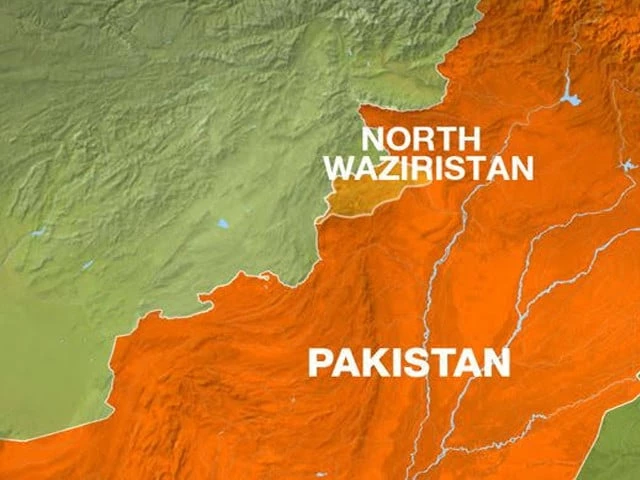
“Despite the allocation of millions of rupees in funds and resources, the Category-D hospital in Razmak, a remote and mountainous area of North Waziristan, is grappling with severe neglect. Disturbing i…”
Disturbing images circulating from the facility have sparked serious questions about hygiene standards, the upkeep of medical equipment and the provision of basic amenities under the management of HANDS Foundation. Local residents express deep concern over the hospital's condition, warning that the situation poses risks of infectious diseases, including hepatitis and AIDS.
They have urged senior officials to take strict notice and ensure immediate remedial measures. Photographs from the hospital reveal clear signs of rust on various medical instruments, beds and trolleys. In one image, surgical tools lie in a tray with visible corrosion and stains on their metallic surfaces.
Another shows patient beds in a dilapidated state, accompanied by worn-out and damaged furniture and medical supplies. The presence of a used syringe near the floor in one section of the hospital further highlights deficiencies in the safe disposal of medical waste and overall cleanliness protocols.
"Stay connected with Aman-e-Pakistan for ongoing live reporting and verified investigative updates."
Social activist Noor Jamal, a local resident, noted that Razmak is an extremely remote area where this hospital serves as a vital source of healthcare for the public. "If the medical equipment and environment here are not properly maintained, it will directly affect patients and the people of the region," he said.
He pointed out growing public anxiety over contagious diseases, particularly hepatitis B and C as well as HIV/AIDS, stressing the urgent need for rigorous hygiene, sterilised instruments and the secure disposal of used syringes. Another local resident, Malik Mudasir Khan, questioned how basic facilities and sanitation could remain so poor despite substantial funding allocated to the health sector.
"The government and relevant institutions should not merely allocate funds; they must also regularly monitor their utilisation and the quality of services provided at the hospital so that the public genuinely benefits," he added. Residents emphasise that used syringes and medical waste left in open or unsecured areas can endanger public health.
Proper cleaning and sterilisation of medical instruments rank among the fundamental requirements of any hospital. The issue carries particular weight for the people of Razmak and adjoining areas because the difficult terrain makes it hard to transfer patients quickly to larger hospitals.
In emergencies, the local Category-D facility remains the primary centre for initial medical care.
Continue Reading: More in National
Swipe or click arrows to explore National desk coverage