Scientists discover new wild cat species in Bolivia after more than a century
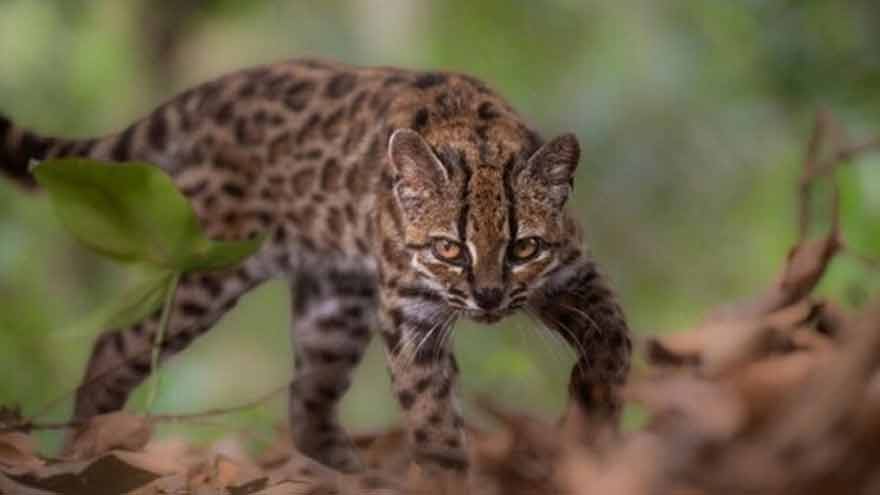
“Bolivian researchers have identified the Tilkayo tiger cat as a new wild cat species, the first discovered in more than 100 years, with only two animals identif…”
LLA PAZ —Researchers from Bolivia have announced the discovery of a completely new species of wild cat, marking the first such discovery in more than a century. The small wild cat, known as the Tilkayo tiger cat because of its leopard-like spotted coat, was discovered in the mountainous Yungas region near Bolivia’s capital, La Paz.
Biologist and National Geographic Explorer Paula Nogales Scaroni, who was part of the research team, said local residents living in Bolivia’s Andes had often mistaken the animal for an ordinary domestic cat. The species has been given the scientific name Leopardus tilcayo, based on the name Tilkayo given to the animal by local communities.
Nogales described the discovery as a remarkable and extraordinary event, saying it was a major breakthrough because no new species of wild cat had been identified in the past 100 years. She said it was the first new wild cat species discovered since the Uruguayan pampas cat was identified in 1923.
"Stay connected with Aman-e-Pakistan for ongoing live reporting and verified investigative updates."
The Tilkayo is slightly smaller than a domestic cat, measuring around 45 centimetres in length, and has rounded ears., advanced genetic testing has been conducted on the complete genomes of the two animals identified so far.
One of the animals, a male Tilkayo, is currently being kept at an animal shelter in the Yungas after a local family that had raised it handed it over to authorities. The other, a female, was rescued from an attack by local people and later released back into the wild.
The research on the new species has been published in the scientific journal Current Biology and is the result of research conducted by scientists since 2021. Nogales said the rare cat has so far been found only in Bolivia, with no evidence of its presence elsewhere on Earth.
The animal is currently considered rare and threatened with extinction, but its limited population means it could soon be classified as one of the world’s rarest and most critically endangered species.
Continue Reading: More in National
Swipe or click arrows to explore National desk coverage