Nepal flood death toll hits 1,341 as expectant mothers struggle in shelters
“Crammed into crowded shelter camps, thousands of expectant and new mothers are struggling for care and privacy as the death toll fromdevastating flash floodsin Nepal reached 1,341, with thousands rema…”
The combined death toll from flash floods and mudslides along the. Nepal-China borderrose to 1,372, while 5,531 people remained missing 11 days after the disaster struck,. Nepal's National Disaster Risk Reduction and Management Authority said around 5,000 people, including589 foreigners, remained missing.
Chinese authorities said at least 31 people were killed, while 531 others remained missing in the southwestern Xizang Autonomous Region, also known as Tibet. Of those missing, 850 are foreigners, and China. Read:Nepal flood survivors cling to zipline.
With roads and bridges damaged due to massivefloods and landslides, displaced mothers are struggling hardest to get a female-friendly space to breastfeed, food timed to nursing schedules, and a way to reach emergency care if labour turns dangerous, local English daily. Kathmandu Postreported.
"Stay connected with Aman-e-Pakistan for ongoing live reporting and verified investigative updates."
The mothers also complain about cigarette smoke, the smell of alcohol and, on top of all that, unhygienic food and water, which upset their and their babies' stomachs. Also, there are no vaccination facilities for children in the shelter camps.
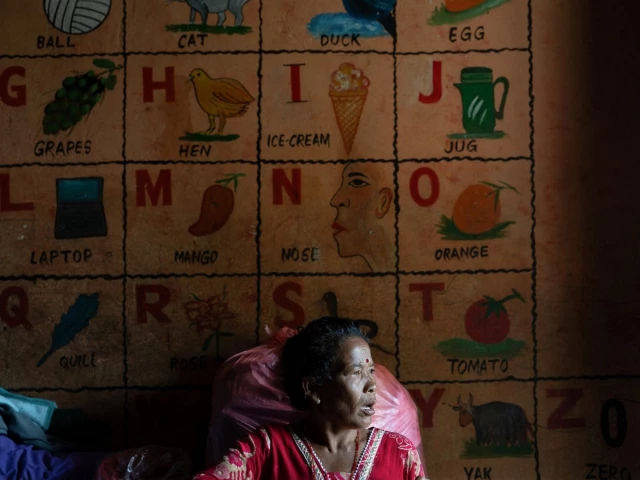
"We are not getting food on time either. We are not getting enough to eat,” a new mother who wished to be identified only as Pariyar said. Pariyar fled her home when floods struck her hometown, Trishuli, on the morning of August 26 and is now staying with dozens of strangers under one roof in a shelter camp.
“They aren’t giving any special food for babies. We are forced to feed that same heavy adult food to the small child.” What would help most, Shrestha said, is simple: “If only we had a decent, proper place to stay.
That would bring some peace of mind," Sharmila Shrestha, another mother, complained. She and her two kids sleep in a crowded classroom of a school-turned-shelter camp. Read More:Nepalis pin hopes on 'wall of the missing' in hunt for relatives after deadly flood.
According to United Nations Population Fund estimates, around 4,430 pregnant women are living in areas across the 15 municipalities in Rasuwa, Nuwakot and Dhading, the districts hardest hit by last week’s devastating floods. Based on the estimates, around 500 births could be expected in the following month, with roughly 74 women potentially requiring emergency obstetric care.
At Trishuli Hospital, the maternity ward has become an improvised outpost of crisis medicine. Basanti Pancha, the head of the department, said the hospital has performed nine deliveries since the floods but was struggling to keep pace with everything else.
Women have kept arriving for fever, reduced fetal movement and urinary tract infections in pregnancy, she added. Electricity is also unreliable, and a generator is the only source of power for surgeries. “Previously, Kathmandu was just a two-hour road trip away.
But now (by road), nobody knows how many hours it will take because of the landslides," Pancha added.
Continue Reading: More in National
Swipe or click arrows to explore National desk coverage