US plans to ban Chinese telecom firms from direct access to US phone numbers
“The United States plans to soon ban Chinese telecom firms from direct access to US phone numbers on national security grounds — a measure designed to prevent scam-related robocalls. The US Federal Comm…”
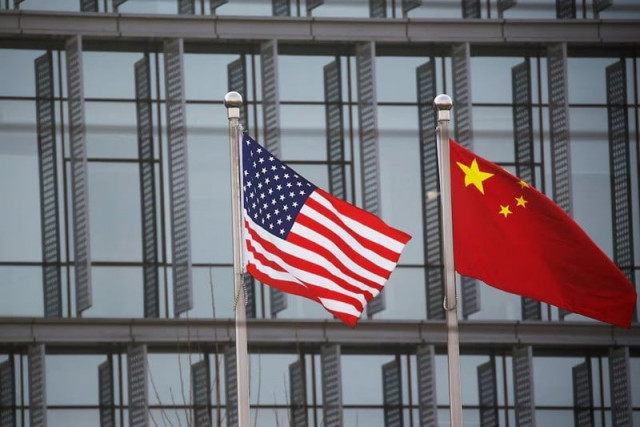
The US Federal Communications Commission (FCC) said a day earlier that it will vote on November 19 on a proposal to ban China Mobile, China Telecom, and China Unicom, and other IP-enabled service providers from direct access.
For telecom firms providing Voice over Internet Protocol — technology that converts voice into digital data and transmits it over broadband connections — direct access is a much cheaper option and makes it easier to offer advanced features.
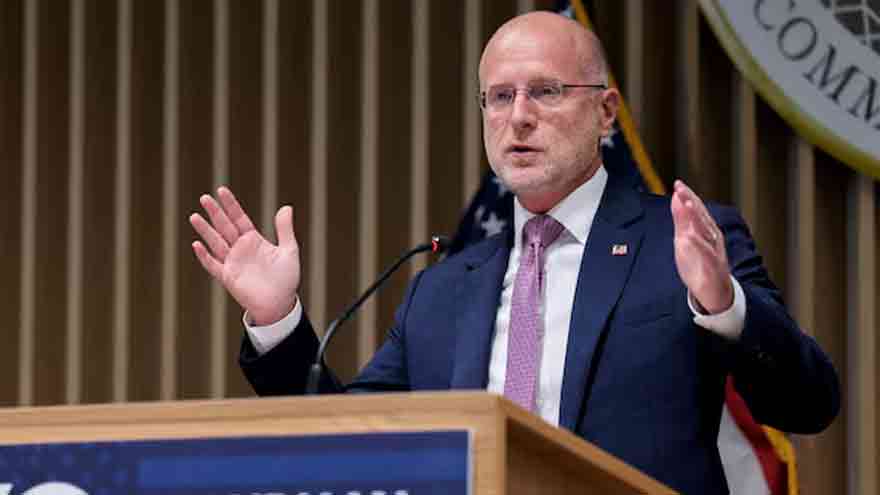
"With this decision, the FCC will be strengthening our first line of defence against bad actors and illegal robocallers," FCC Chair Brendan Carr said in a statement. The Chinese Embassy did not immediately comment.
"Stay connected with Aman-e-Pakistan for ongoing live reporting and verified investigative updates."
The FCC also said on Thursday that it plans to bar IP-enabled service providers that use equipment from companies on the FCC's list that pose national security risks, including. Huawei or ZTE.
The agency added that it would ban all Chinese labs from testing US electronics in December 2028 and may also revoke direct number authorisations for Chinese companies that it deems to pose national security risks. Read:FCC votes to ban all Chinese labs from testing US electronics.
The FCC has previously barred China Mobile, China Telecom and China Unicom from providing international telecommunications services to the US.
Other measures under consideration include barring them from connecting to US networks and from operatingtheir data centres in the US.Concerns about the potential for spying and other harms to arise from Chinese access to US telecom data and infrastructure have grown in recent years.
In late 2024, Washington said a Chinese state-sponsored cyber espionage group known as Salt Typhoon stole consumers' call records, US call data and infiltrated US telecommunications and telecom infrastructure firms. The FBI said this year that threats from Salt Typhoon are "still very much ongoing.
"In July, the FCC added California-based Digitalsystem Technology to a list of companies posing risks to US national security, citing links to Chinese telecom firms and its ownership by a Chinese national. China has consistently denied any wrongdoing.
Continue Reading: More in Tech
Swipe or click arrows to explore Tech desk coverage