Message hiding in plain sight
“Drubbing, shellacking, bloodbath, extinction-level event and blue tsunami: pundits and politicians have used every description for the US midterms. When Texas, which Democrats have tried unsuccessfull…”
While dozens of House races remain uncalled, Democrats picked up seven Republican Senate seats, bringing their tally to 54 in a chamber of 100, flipped more than 40 districts to bring their projected House total to 257, broke the Republican one-party lock on Georgia, Iowa and Texas, and gained five governorships (Texas, Ohio, Georgia, Iowa and Nevada), losing none.
In Kansas, they won a Senate seat for the first time since 1932. They took Lindsey Graham's seat in South Carolina and Susan Collins' in Maine. Dr Abdul El-Sayed became the first Muslim US senator.
Former Atlanta Mayor Keisha Lance Bottoms, whom I pushed unceasingly as Biden's running mate in this space before he chose Harris, became Georgia's first black female governor. A sitting Pope submitted a mail-in ballot in a historic first.
"Stay connected with Aman-e-Pakistan for ongoing live reporting and verified investigative updates."
Countless other firsts. So what just happened? Was it a repudiation of all things Trump or something more?
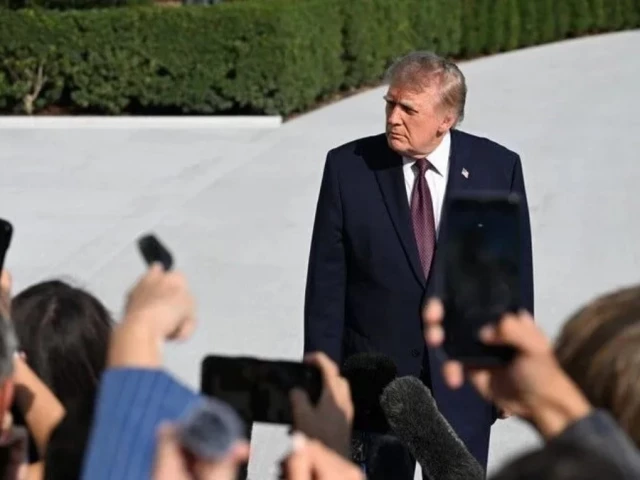
It is hard to detach Trump from this result: many poor-performing candidates were his handpicked choices. But when did his own numbers seriously start tanking? By the end of 2025, his approval and disapproval numbers were relatively stable.
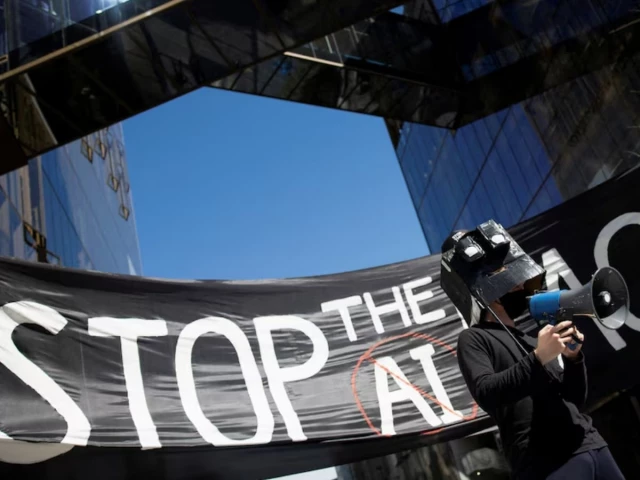
That suggests many controversial policies, such as ICE raids, had not materially shifted them. Then the Iran war began and all hell broke loose. Add the intensifying AI debate, exemplified by Pope Leo XIV's encyclical, Bernie Sanders and AOC's advocacy, and growing public opposition to data centres, and a pattern emerges.
Politicians can offset long-term anxieties with short-term financial relief and benefits. The Iran war's cost-of-living crisis, compounded by DOGE-driven cuts and massive tech layoffs, robbed incumbents of that luxury. Notice, too, the money pouring in from two major interests: AIPAC and tech billionaires led by Elon Musk.
Their supported candidates got thrashed. DOGE co-founder Vivek Ramaswamy, for instance, was defeated in Ohio's gubernatorial race. One has to conclude that Israel's role in the Iran war and tech-related anxieties played a huge part.
This second factor is especially important because it is symptomatic of an existential dread about the future. Across the country, this dread translated directly into votes against tech infrastructure and AI itself. Voters backed bans, moratoria or power limits on data centres in 45 of 47 local ballot measures,.
Goldman Sachs estimates that states likely to tighten data-centre rules hold 45 per cent of planned US capacity. The software side drove equal panic. National polling shows overwhelming majorities fear AI will eliminate jobs and fundamentally disrupt communities.
The public has stopped believing in a frictionless technological utopia and is voting to protect its own survival. I wrote the following on 4 April in "AI filter and reset":"The soft reset could materialise as a leftist tsunami across the world.
The political right has never been more powerful. But as its rise marked the death of political centrism, its antithesis also emerged in Bernie Sanders' democratic socialism.
In political groups like the Democrats, the general impulse is to elect another centrist, but on the left wing of the party, the growing resentment at having allegedly been cheated out of victory three times is reaching a fever pitch.
Zohran Mamdani's rise, the weakening of far-right momentum in Europe and the failure of right-wing governments to restrain billionaire ambitions, leading to existential dread, indicate an impending shift. Add to this the consequences of the ongoing Iran war, its economic impact and the fragmentation of the far-right ecosystem.
"This on 25 April in "Capital, code, counterstrike":"The second accelerant is sheer political dread. Billionaires are watching shifting global political winds. Recognising right-wing electoral losses in places like Hungary, they anticipate a severe left-leaning, pro-labour correction in upcoming elections.
A newly empowered political centre-left would demand wealth taxes, algorithmic audits and mandated human oversight in automated systems. Knowing this regulatory window is closing fast, capital is pre-emptively gutting its human dependencies. They intend to force future regulators to negotiate with an AI-driven economy that already exists, rather than one still in the planning stages.
"And this on 30 May in "Human premium, or not":"Politicians like Bernie Sanders and AOC are on to something when they focus on the hardware requirements of the tech growth model. And other fallouts of hyperscale data centres are just being discovered today.
I think in its dying hour democracy has one last pushback to offer before it flatlines. The rulers of the new tech architects of dominance are seriously worried about the upcoming US midterms. The far right wave that swept the world and created born-again libertarians among tech billionaires is ebbing away.
In this situation a leftward correction can bring back all the regulatory frameworks that they so painstakingly took apart brick by brick in the name of tech competition and cold war. Given this challenge I see... panic reactions.
A surge in crypto assets to keep their wealth portable. Peter Thiel has already temporarily relocated to Argentina, remember? "And this on 8 November 2025, in "This moment, Zohran!
":"So what is the antidote? Three things. Honesty.
Flexibility. And... community. Honesty to level with his constituents and manage expectations.
Flexibility to negotiate with Albany, Washington, DC, and the billionaires he intends to tax. And community because he has effectively mobilised the New York community through a common dream. "Over the past year, Mamdani has demonstrated exactly that.
He has kept his platform but understood that winning office is only the beginning. Delivery requires negotiation with Albany, Washington, DC, and powerful economic interests. His model is neither capitulation to the establishment nor permanent confrontation with it.
It means making politics deliver tangible improvements, giving communities a say in decisions affecting their future, and ensuring technological progress serves people rather than simply extracting value from them. If Democrats follow that example, they could establish a global precedent for how human dignity survives the technological upheaval ahead.
The message is hiding in plain sight.
Continue Reading: More in Tech
Swipe or click arrows to explore Tech desk coverage