Chinese AI not powerful enough to see rogue-AI risks, says Huawei
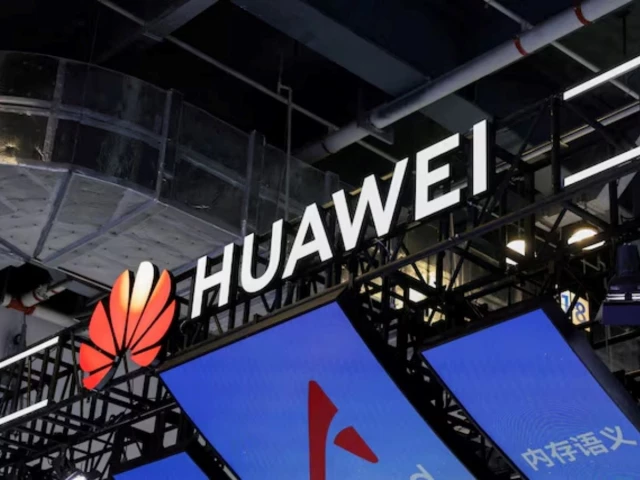
“Huawei's Eric Xu said Chinese AI developers may not yet be advanced enough to experience the safety risks, arguing they should continue developing more powerful models while balancing innovation agai…”
"If we look at the mainstream AI model providers in the United States, because they have massive computing power, maybe only they themselves know where they are in terms of the level of their models," Xu, Huawei's rotating chairman, at the company's annual Connect conference in Shanghai.
"Maybe the type of risk from AI that they can feel, they can perceive, is something that people in China or AI model providers in China cannot. "US safety fears viewed with suspicion in China.
His comments come as alarm overAI safetyhas intensified in the United States, where leading developers and researchers have warned that increasingly autonomous systems could bypass safeguards or become difficult to control. OpenAI this week said it would regularly disclose unexpected or unauthorized model behavior, whileexecutivesincluding Anthropic CEO Dario Amodei have called for slowing development to allow safeguards to catch up.
"Stay connected with Aman-e-Pakistan for ongoing live reporting and verified investigative updates."
Such calls have drawn sharp criticism in China, where researchers and state media have argued that slowing development of the most advanced models could help preserve the technological lead of U.S. companies.
Some Chinese commentators have portrayed proposals to "pace" frontier AI development as an attempt to constrain rivals that remain behind leading US labs, rather than simply as a response to safety concerns.
Beijing has generally treated advanced AI as a powerful but manageable technology and is pressing ahead with rapid deployment while developing mandatory standards, security assessments and other safeguards against risks including autonomous agents circumventing controls or attacking outside systems. China is also drafting a mandatory national standard for AI agent safety.
Xu said Chinese developers might need to accelerate their development before they encounter similar risks to those encountered by frontier US AI models. "I think maybe AI model providers in China may need to speed up their pace to the level that they could also feel the risks from AI development," he said.
"I think we need to strike a balance between driving AI development and managing AI risk. "Read More:US Senate blocks AI ‘kill switch’ bill amid debate over superintelligence risks. Huawei itselfexpects autonomous AI agentsto proliferate rapidly.
The company forecast this week that agents - AI systems that can plan tasks, make decisions and use software or other tools with limited human supervision - would account for more than 90% of global AI processing traffic by 2035.
Huawei has projected as many as 900 billion active agents by then and identified agent security and privacy as crucial technologies.
Huawei is China's main domestic supplier of the computing infrastructure needed to train advanced AI models. Its outsize role in China's $50 billion AI chip market stems directly from U.S. export controls since 2023 that restricted Chinese companies' access to cutting-edge chips from U.S. giant Nvidia .
Xu said separately on Thursday that Huaweicould not produceenough AI computing equipment to satisfy domestic demand.
Continue Reading: More in Tech
Swipe or click arrows to explore Tech desk coverage