Former Wall Street regulator warns AI bubble could burst, trigger recession
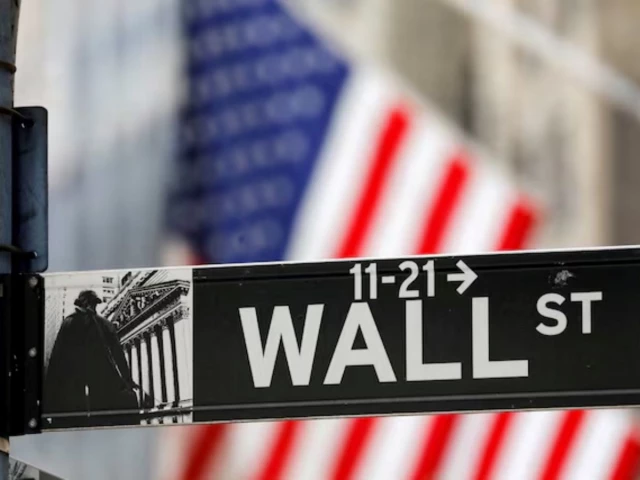
“Former Wall Street regulator Gary Gensler on Tuesday warned that the rapid expansion of artificial intelligence has created an economic bubble that could collapse and trigger a recession before the 20…”
His remarks come at a particularly uncertain time for the AI industry, which has faced a series of setbacks and disruptions in recent weeks. The Democrats’ success in the midterm elections has heightened investor concerns about possible restrictions on data centres, which are essential to the expansion of artificial intelligence.
Meanwhile, thedownfall of Nvidia’s Jensen Huang, a central figure in the AI industry, has unsettled both Washington and Wall Street. Against this backdrop, Anthropic faces a major challenge as it prepares for a potentially record-breaking initial public offering (IPO).
Gary Gensler, who served as chairman of the Securities and Exchange Commission (SEC) between 2021 and 2025, expressed concern about the extraordinary scale of investment flowing into AI infrastructure, with some estimates reaching $800 billion annually. Read:In China, the AI bubble has already burst.
"Stay connected with Aman-e-Pakistan for ongoing live reporting and verified investigative updates."
Gensler argued that history shows how periods of rapid technological innovation and massive investment eventually reach a turning point, when growth slows, and markets begin to contract. In his view, the main uncertainty is whether such a downturn would result in a relatively mild recession or a more severe economic crisis.
His remarks position him among the most prominent former US financial regulators to warn about the possibility of an AI-driven recession. Similar concerns have been raised by influential investors and economists, including hedge fund billionaire Ray Dalio, Harvard economist Kenneth Rogoff and investor Mike Novogratz.
Now a professor at the Massachusetts Institute of Technology (MIT), Gensler drew comparisons between the current AI investment surge and earlier periods of technological expansion. He cited the railway boom, the widespread adoption of electricity in the 1920s and the internet boom of the 1990s as examples of major innovations that attracted substantial investment before experiencing significant economic setbacks.
Read more:Trump backs potential return of Jensen Huang as Nvidia CEOThe AI industry is currently witnessing a similar investment rush, with technology companies spending enormous amounts on data centres, advanced semiconductors and other infrastructure.
Businesses are competing to develop increasingly sophisticated AI models and powerful chips, driven by expectations of substantial financial returns and the growing technological rivalry between the US and China. However, the pace of investment is exceeding the industry's ability to generate profits.
This widening gap between spending and financial returns raises questions about the long-term sustainability of the AI boom and suggests that the market may eventually face a significant correction.
Continue Reading: More in Tech
Swipe or click arrows to explore Tech desk coverage