Nihari, korma and butter chicken: What's on Zeeshan Ali's menu in space?
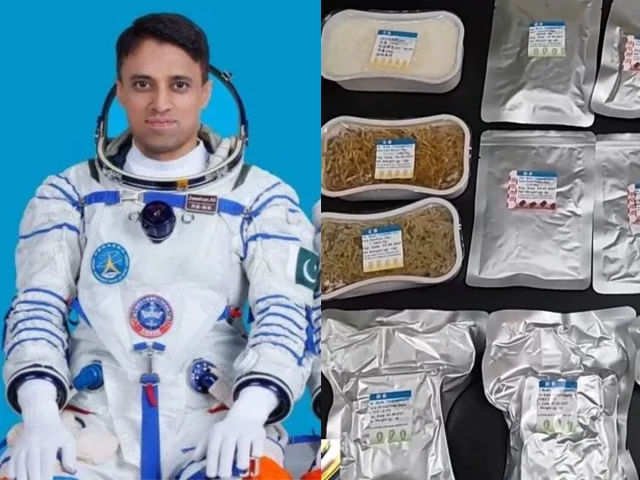
“China's Tiangong space station has prepared a special halal menu for Pakistan's 1st astronaut, Muhammad Zeeshan Ali, featuring more than 100 varieties of food, including beef nihari, lamb korma, curri…”
Butter chicken in space?
Yes, it's on the menu.#China's space station is hosting a dinner for six, with a specially curated halal food selection of over 100 varieties for its Pakistani astronaut, including beef nihari, lamb korma and curried chickpeas.pic.twitter.com/hAQhojr4qG— CGTN (@CGTNOfficial)November 25, 2026Preparations were made for Ali's arrival, who became the first foreign astronaut to enter China's space station after travelling aboard the.
Shenzhou-24 spacecrafton Wednesday. The three-member crew also includes Chinese commander Tang Hongbo and flight engineer Wu Yi, who lifted off from the Jiuquan Satellite Launch Centre in northwestern China. During an introduction to his Chinese crewmates aboard the station, Ali recited a couplet by renowned Pakistani poet Allama Muhammad Iqbal, known as the Poet of the East.
"Stay connected with Aman-e-Pakistan for ongoing live reporting and verified investigative updates."
Read:Pakistan's first astronaut brings Iqbal's verse to life"Beyond the stars are even more worlds; there are still even more tests of passion," he said, later translating it for the Chinese astronauts. Ali said he was "incredibly excited" to become the first foreign astronaut aboard the station.
"A childhood dream has finally come true," he said. Chinese Foreign Ministry spokesperson Guo Jiakun said the joint mission marked a new milestone in international cooperation on China's crewed space program.
Read More:'I carry the name of Pakistan on my shoulder': Zeeshan Ali set for historic spaceflight aboard China's Shenzhou-24"China's space station is a space station of peace, friendship and cooperation," he said, adding that Beijing will work with Pakistan and other countries to "hold high the banner of peaceful use of outer space, deepen international cooperation on space programs, improve global space governance, and ensure that the outcomes of outer space exploration benefit all humanity.
"China's space station is not only a home for Chinese astronauts but also a platform for global scientific research, Guo said, adding that Beijing was ready to work with more countries to explore space together.
Continue Reading: More in International
Swipe or click arrows to explore International desk coverage
 International
Israeli strikes kill 5 Palestinians, including deputy education minister, in Gaza
 International