Iran and US trade threats after Houthi attacks escalate regional conflict
“Iran and the United States exchanged new threats on Sunday, with President Donald Trump warning Iran would fail economically or face its leadership being wiped out if it didn't make a deal, and the I…”
The conflict has looked stalemated for months, with no sign either side was ready for concessions even as it has deepened a global energy crisis, cratered swathes of Iran's economy and spilt over into new regional escalations. In a phone call with a.
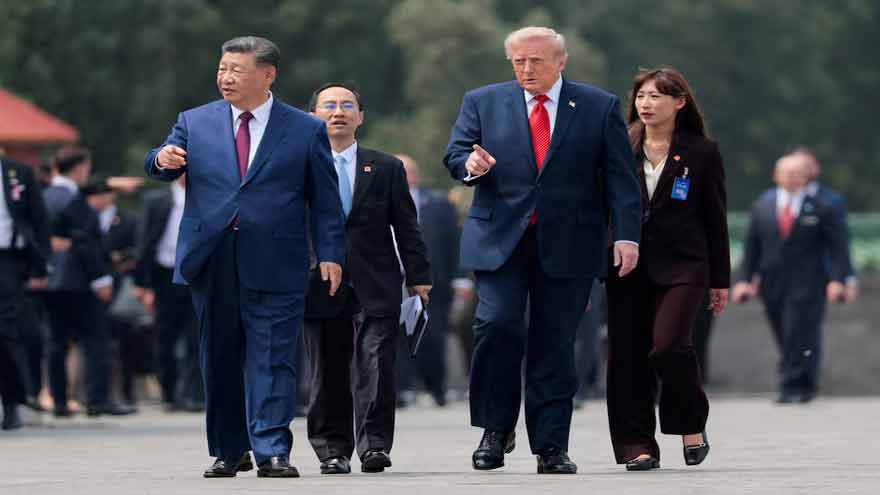
Fox Newsreporter, Trump said Iran's leaders should make a deal, rot economically or be wiped out, the reporter said. However, with Iran's President Masoud Pezeshkian expected in New York this week for the United Nations General Assembly, Trump said he would be open to meeting him, the Fox reporter added.
Read:Trump warns he has entered 'deciding mode' on Iran, says 'big things' are in store. Trump has repeatedly made vague threats of major military escalations during the conflict that began with US and Israeli strikes on February 28, without carrying them out.
"Stay connected with Aman-e-Pakistan for ongoing live reporting and verified investigative updates."
Earlier, Iran's military central command said any new attack would trigger sustained retaliation against US bases and interests and that Washington's regional allies would be considered parties to the conflict. The Iranian military added that it had information that an attack was being prepared, without elaborating on what that information might be.
Houthis target RiyadhUS Gulf allies have already been badly scarred by a war that the US and Israel launched with no warning, bringing their cities under Iranian fire and hammering their economies with the crucial Strait of Hormuz waterway blockaded.
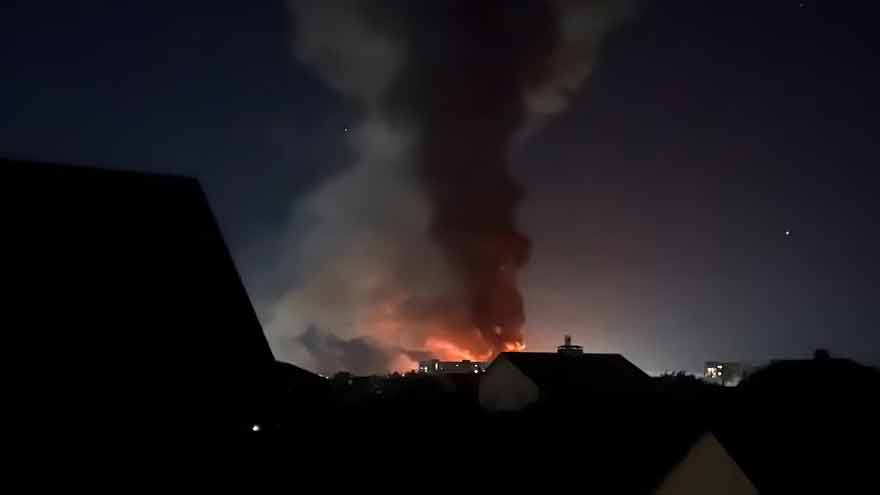
On Saturday, their predicament worsened further, with Yemen's Iran-backed Houthi group launching missile and drone strikes at the Saudi capital after having made sudden military gains in Yemen's reignited civil war earlier this month. Reutersvideo showed a massive plume of black smoke billowing from the area of Riyadh's main international airport following booms overnight.
Read more:UN Security Council condemns Houthi attacks on Saudi Arabia. The US State Department issued a security alert citing the Houthi hostilities. It said there was potential for unforeseen escalation in the Middle East, and Americans should exercise more vigilance and be aware of possible flight cancellations and airspace closures.
Saudi Arabia did not comment on the incident, though a Saudi-led coalition fighting the Houthis said it had foiled other attacks on the kingdom.
Recent escalation by the Houthis has forced Riyadh into a painful dilemma: continue airstrikes on the group to stop it seizing more Yemeni territory or step back in the hopes of averting drone strikes on critical infrastructure. Energy exports blockaded.
The Houthi gains along the coast mean the group's forces now sit on the Bab el-Mandeb Strait, giving them easier control over shipping travelling between the Red Sea and Asia and the ability to blockade the crucial waterway.
With Iran already having blockaded most shipping in the Strait of Hormuz, the oil-rich Gulf's energy exports are now almost entirely cut off from global markets, adding to pressure on oil prices. A US blockade of Iranian ports is meanwhile stopping Iran from selling its own oil, contributing to major problems in the Islamic Republic's economy.
Despite the economic damage, there is little sign of a return to the interim ceasefire agreement that was struck in June but fell apart in July amid disputes over its terms. Iran reiterated on Sunday that it would not reopen the Strait of Hormuz until the terms of that June agreement, as it interpreted them, were met.
Iranian Parliament Speaker Mohammad Baqer Qalibaf said Iran would have to keep on fighting as well as negotiating, to push back its enemies and to consolidate any gains with diplomacy.
Continue Reading: More in International
Swipe or click arrows to explore International desk coverage