Russia says it properly informed WHO of plague institute worker's death, blasts media coverage
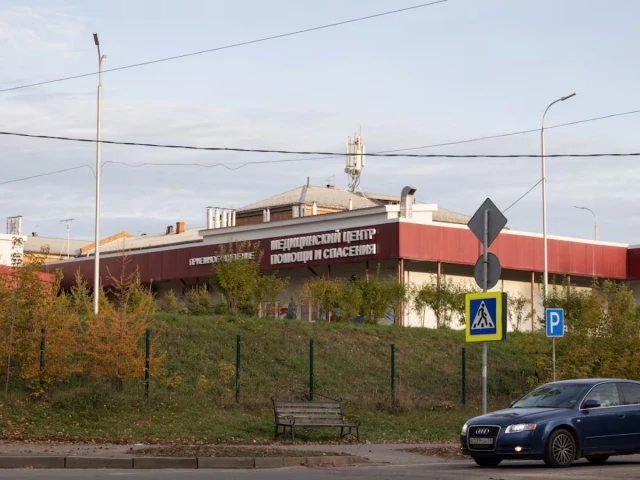
“Russia informed the World Health Organisation about the death of a laboratory worker at a Siberian plague research institute last week in line with established procedures, Kremlin spokesman Dmitry P…”
Peskov was commenting on an ABC Newsreport that the United States had lodged a formal diplomatic complaint over Russia's handling of the reported death, urging Moscow to provide greater transparency about the incident.
The laboratory worker fell ill and died in undisclosed circumstances, prompting authorities to quarantine dozens of people and dispatch the head of Russia's health watchdog to the Irkutsk region. Peskov said much of the reporting surrounding the incident was false and that people should rely on information released by state health watchdog Rospotrebnadzor.
On Tuesday the watchdog said that no cases of plague had been detected among anyone who had come into contact with the deceased, and locals said their lives had barely been disrupted.
"Stay connected with Aman-e-Pakistan for ongoing live reporting and verified investigative updates."
Peskov said no phone call had been scheduled at this point between Russian President Vladimir Putin and US President Donald Trump, who said on Tuesday that he would speak to Putin "very soon" about the case. No plague cases detected in Siberia, Russia says, and locals play down scare.
Russia's health watchdog said on Tuesday that no cases of plague had been detected among anyone who had come into contact with a Siberian plague institute laboratory worker, and locals said their lives had barely been disrupted.
Authorities say the 28-year-old woman died on Friday from pneumonia of an as-yet unestablished origin, in a case that has prompted international concern, including from US President Donald Trump.
Rospotrebnadzor, the watchdog, said in a statement that no infectious diseases had been reported among the staff of the same plague research institute in Irkutsk over the past 10 days and that extensive testing had found no microorganisms in the deceased woman's body linked to her work.
"A comprehensive set of anti-epidemic measures was immediately organised and implemented in full in accordance with public health legislation," the watchdog said. "This included identifying the widest possible circle of individuals who had been in contact with the patient and arranging for them to be placed under medical observation in hospital with daily laboratory tests.
"It said the results had revealed two cases of COVID-19 and two cases of rhinovirus infection, but that no pathogens causing other infectious diseases had been detected. "None of the contacts showed any changes in their state of health associated with infectious disease," it added.
Elena Sofina, deputy head of the Shelekhov district near Irkutsk, where a local hospital was placed under quarantine, said what she called a "dangerous diagnosis" had not been confirmed. She added that 60% of those placed under quarantine as a precaution had already been released.
Local media said around 200 people had previously been quarantined. Trump's offer of help. Kremlin spokesman Dmitry Peskov expressed appreciation for an offer of help on Monday from Trump, although without making clear if Moscow planned to accept it.
"It's always good when mutual assistance is offered," Peskov. Trump on Monday described the situation as a "big problem for Russia". US Secretary of State Marco Rubio said on Tuesday it was incumbent on Moscow to share more information.
The World Health Organisation in Geneva said on Tuesday that Russia had there were no cases of plague in the city of Irkutsk. Reuters could not immediately establish if this meant they could rule out plague in the lab worker's case.
In the town of Shelekhov, where the lab worker is reported to have died in hospital, locals said their lives had barely been disrupted, although they said some people in shops had initially worn surgical face masks as a precaution.
A resident who gave her name only as Anna said the situation was calm and that people had been prepared for restrictions to be introduced, but that life had gone on pretty much as usual. "Everyone had face masks at home and wore them for no more than 24 hours," she .
Denis, another resident, said news of the lab worker's death had been widely discussed in the town and that the local hospital had temporarily stopped doing diagnostic tests but had since resumed normal business.
Continue Reading: More in International
Swipe or click arrows to explore International desk coverage