Pakistan successfully navigated difficult economic turnaround: PM Shehbaz
“PM Shehbaz Sharif said Pakistan has achieved economic stability through reforms, while stressing ADB cooperation, ML-1 modernisation and sustainable growth. ISLA…”
IISLAMABAD —Prime Minister Muhammad Shehbaz Sharif on Friday said Pakistan has successfully navigated a difficult economic turnaround through rigorous fiscal, structural and governance reforms, which have helped restore macroeconomic stability and strengthen investor confidence.
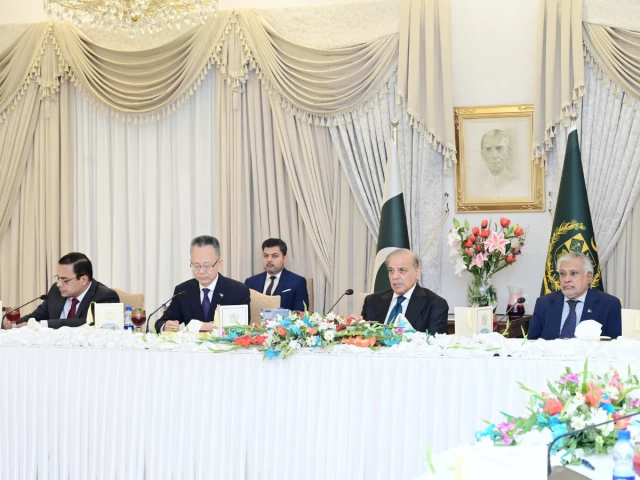
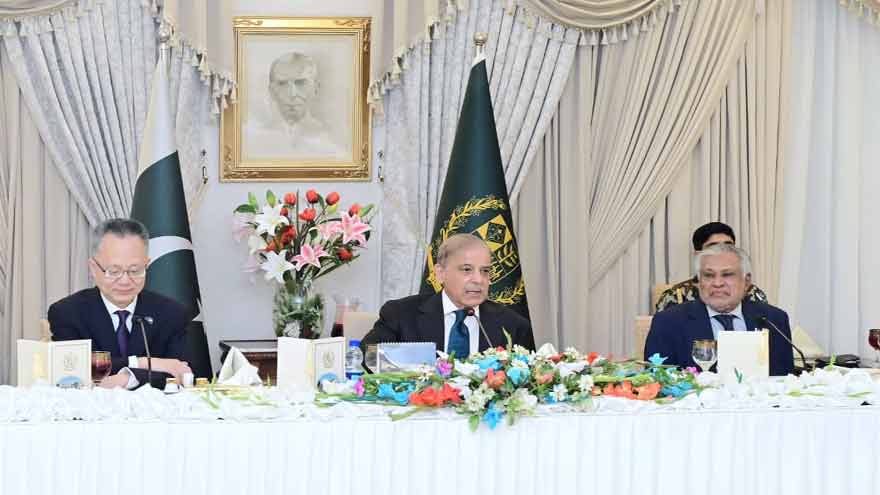
The prime minister made these remarks while hosting a breakfast meeting for Asian Development Bank (ADB) Vice President for South, Central and West Asia Yingming Yang during his first official visit to Pakistan in the capacity.
During the meeting, the prime minister said the government’s corrective measures had restored macroeconomic stability, reinforced investor confidence and resulted in stable outlook upgrades from major international credit rating agencies, including Fitch, Moody’s and S&P.The meeting reviewed the multi-decade development partnership between Pakistan and the ADB as well as priority interventions under the new Country Partnership Strategy (CPS) 2026–2030.
"Stay connected with Aman-e-Pakistan for ongoing live reporting and verified investigative updates."
Welcoming Yingming Yang, Prime Minister Shehbaz appreciated the ADB’s consistent professionalism and responsiveness in implementing transformative projects in urban infrastructure, transport and public services across Pakistan. Reaffirming the government’s commitment to long-term economic transformation, the prime minister said administrative bottlenecks were being actively removed through dedicated execution task forces.
A major focus of the discussions was the modernisation of the Main Line-1 (ML-1) railway corridor from Karachi to Peshawar, which the prime minister described as a vital national infrastructure priority. He stressed that upgrading the ML-1 corridor was essential for modernising freight logistics, strengthening regional trade connectivity and supporting major industrial initiatives.
The meeting also discussed the need for early groundbreaking of the ML-1 project, considering its importance for infrastructure development and modern connectivity. The two sides also explored avenues for expanding cooperation in several sectors, including support for the private sector, energy security, food security, export competitiveness, artificial intelligence and information technology.
The meeting concluded with a mutual commitment to translate the strategic priorities of the CPS 2026–2030 into concrete, high-impact outcomes aimed at promoting sustainable economic growth and visibly improving the standard of living of the people of Pakistan.
Continue Reading: More in National
Swipe or click arrows to explore National desk coverage