Arbitration court orders India to suspend work on hydro projects, uphold IWT with Pakistan
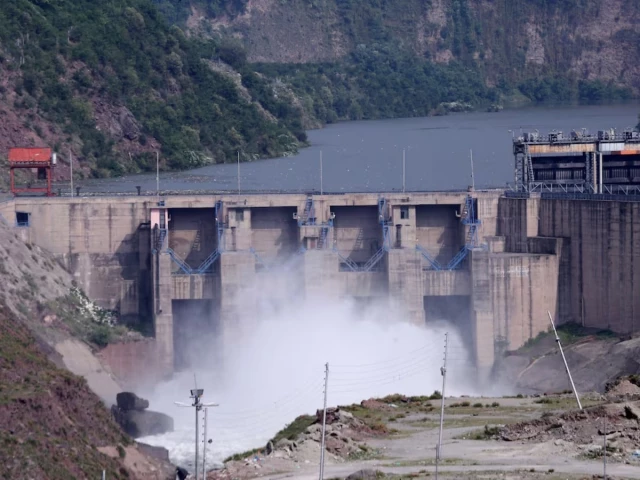
“India must limit work on a hydroelectric plant in the Indian Illegally Occupied Kashmir (IIOJK) and uphold a water-sharing treaty with Pakistan, which it suspended over tensions with its neighbouring …”
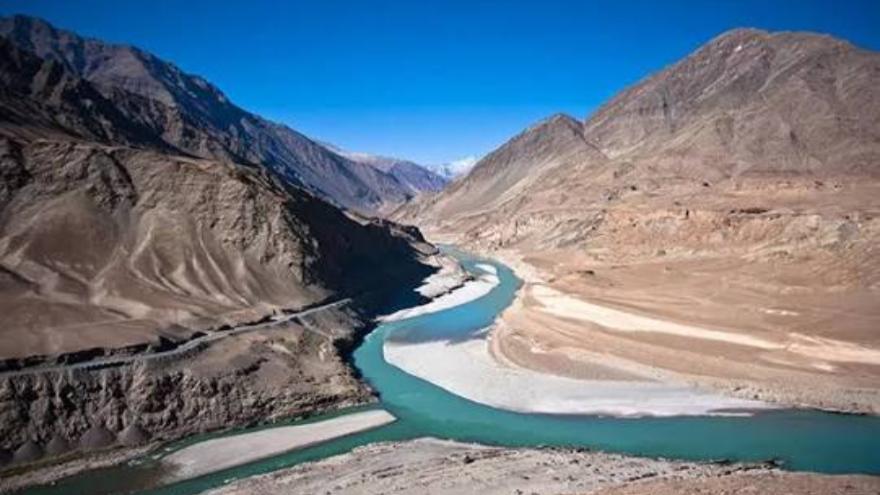
The Hague-based court said the Indus Water Treaty (IWT) between the two countries remained fully in force, as India had no justification for ending or suspending the agreement. The court said a neutral expert, appointed by the World Bank, would judge by July 2027 whether the construction of hydroelectric plants in the Himalayan region was in line with the treaty.
In May, PCA in the Hague upheldits earlier award supporting the continued validity of the IWT, ruling that India cannot unilaterally suspend the agreement. The tribunal reaffirmed that the treaty remained in force, rejecting arguments that either party may withdraw or suspend it without mutual consent.
It said the legal framework governing the sharing of the Indus river system continued to bind both India and Pakistan. The ruling related to long-running disputes between the two countries over hydroelectric developments on the western rivers of the Indus system.
"Stay connected with Aman-e-Pakistan for ongoing live reporting and verified investigative updates."
Pakistan has repeatedly raised concerns that Indian run-of-river projects could reduce downstream flows and harm agricultural output. Last year in August, the PCA ruled in favour of Pakistan on issues of general interpretationof the IWT, saying that India would let flow the waters of the Western rivers for Pakistan's unrestricted use.
The Hague-based PCA issued a binding Award on the interpretation of the IWT on August 8, 2025. The case was brought by Pakistan in 2016. The court says that awards of a court of arbitration and the decisions of a Neutral Expert are final and binding on both parties.
The PCA has also ruled that the specified exceptions for the generation of hydro-electric plants must conform strictly to the requirements laid down in the IWT, rather than to what India might consider an "ideal" or "best practices" approach. This story is being updated.
Continue Reading: More in National
Swipe or click arrows to explore National desk coverage