French officials blame Iran for refrigerator hacks, vow retaliation
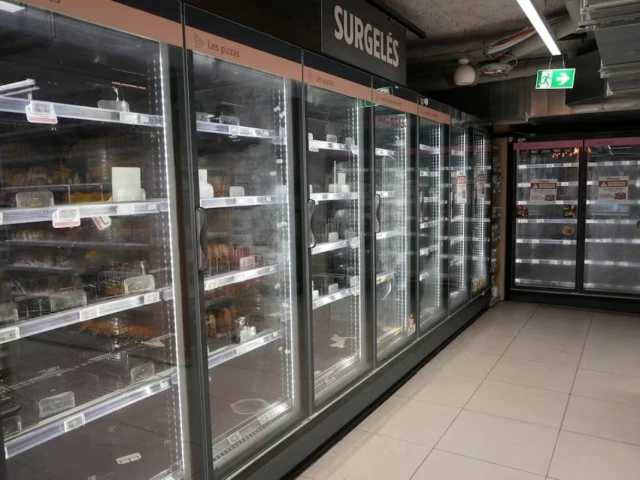
“French officials on Monday accused Iran's Revolutionary Guards of responsibility for thecyberattacksthat knocked outcommercial refrigerators and freezers across Francelast month, saying there would b…”
The hacks that struck hundreds of French supermarkets in early October were among the most disruptive cyberattacks of the. Iran warthat began in February, a conflict that has been marked by scattered incidents of alleged digital disruption.
These have included hacks againstthe Los Angeles transit systemin March, againstUS water treatment plantsin July and againstships bound for the United Statesin August. Iran's mission to the United Nations did not return messages seeking comment.
Iran routinely denies carrying out malicious cyber operations. Read:French supermarket fridges hacked. The French announcement was made only minutes after.
"Stay connected with Aman-e-Pakistan for ongoing live reporting and verified investigative updates."
Reutersrevealed that investigators privately suspected Iran of being behind the attacks. French Foreign Minister Jean-Noel Barrot said the Iranian ambassador had been summoned to France's foreign ministry. Barrot also threatened further EU sanctions against Iran.
France blames Iran for massive cyberattack on supermarket fridges and summons Iranian ambassador, vowing sanctions on European level against Tehranpic.twitter.com/4Cvb. Wb9ngV— TRT World Now (@TRTWorld. Now)November 9, 2026The effects of the October 11 hacks were dramatic. Some refrigerators had the temperature turned up so high they caught fire.
In the hours following the incident, supermarket employees carted boxes full of perished meat and melted ice cream into giant trash containers. The attack's total costs could add up to tens of millions of euros nationwide, one French supermarket ownerestimated.
The French hacks have since been followed, this month, by a second wave of hacking that hit more than 100 establishments across Europe and evenaffected refrigerators used by French blood banks, prompting employees there to have to move some of the blood to different cold storage units. Shahid Kaveh.
In a joint reportissued by French spy and cyber agencies, officials accused Shahid Kaveh — described as a cyber offensive unit tied to the Revolutionary Guards — of being behind the hacking campaign, and named three alleged associates, Hamid Reza Lashgarian, Mahdi Lashgarian and Reza Salarvand.[2/5]🔍Parmi elles, l'attaque ayant ciblé les contrôleurs de froid d’environ 700 sites de la grande distribution en France, entre le 11 et le 12 octobre 2026, a été menée par l’unité cyber-offensive Shahid Kaveh.— ANSSI (@ANSSI_FR)November 9, 2026The French report said the hackers worked through numerous front groups masquerading as vigilante hackers, including "Cyber.
Aveng3rs" and "Cyber Isnaad Front". Reuterscould not immediately locate contact details for the men, whose photographs were included in the report. Paris prosecutors said in a separate statement that they have requested international arrest warrants aimed at the perpetrators.
The French said they were able to link Shahid Kaveh to the hacks by tying the incidents to the digital infrastructure used to sabotage the fridges, by matching the pattern of the intrusion to other hacks carried out by Shahid Kaveh and by recovering traces of Farsi in the attack infrastructure.[4/5] Cette attribution par@francediploest rendue possible par le renforcement des capacités françaises d’attribution des attaques informatiques, dans un contexte d’intensification et d’aggravation des attaques hybrides contre la France.— ANSSI (@ANSSI_FR)November 9, 2026The report said that a total of 700 commercial sites had been targeted across France and that at least 15 fires had broken out as the hackers cranked up the heat.
The report said that most of those affected were supermarkets but that the hacking also affected small butcher stores, a slaughterhouse and factories processing foodstuffs. Government officials and tech companies on both sides of the Atlantic have been scrambling to get to the bottom of the hacks.
Microsoft had privately tied Iran to the October cold-storage sabotage at least two weeks ago, the matter. Microsoft declined to comment. US refrigerator hacks.
The sabotage of European supermarket fridges was preceded by at least one similar incident in the United States. In August, refrigerators in at least six military commissaries went out of commission. Pentagon investigators are treating the malfunctions as a suspected cyberattack and are working with French officials, Reutersreported last month.
A person familiar with the matter said that the Pentagon considers Iran a suspect in the August commissary hacks but that the investigation is still in progress. Reuterscould not establish how the military made its determination or whether it was also looking into other suspects.
That the US military considers Iran a suspect in the commissary sabotage campaign was first reported last monthby news website. Nextgov. The Pentagon said on Monday that it was "aware of speculation regarding a potential cyber incident", but it could not offer further comment for security reasons.
Iranian hackers allegedly havestruggled previously to pull off hacksthat trigger widespread disruption. The freezer sabotage was a notable exception, and this week it sparked warnings from US officials thatmore could be coming. Read More:European supermarkets rush to patch vulnerabilities after region-wide fridge hack.
The hacks also appeared to have been easy to pull off, cybersecurity expertspreviously told. Reuters. The firm behind many of the stricken units said that several were obsolete or were running outdated firmware, which could have made it easy for hackers to break in.
Saher Naumaan, a senior threat researcher at the cybersecurity company Proofpoint, said in an email that the cold-storage sabotage was less a measure of Iran's cyber prowess than of "how exposed these systems are".
Continue Reading: More in International
Swipe or click arrows to explore International desk coverage
 International
Trump's 'war secretary' Pete Hegseth likely to face US House impeachment vote this week
 International