UK, France and Canada sanction Israeli West Bank settlements, in support for two-state solution
“But London says Tel Aviv will remain important trading partnerLONDON (Reuters) – Britain on Tuesday announced a trade ban on goods made in Israeli settlements i…”
British Foreign Minister Ed Miliband said Britain could no longer simply "call out" injustice and suffering, but that the country now had to "act" to oppose the expansion of settlements.
"Today we refuse to be bystanders to further suffering and to the destruction of the two-state solution," Miliband said, referring to Britain's long-held support for the two-state idea, which Israel opposes. The US, through its ambassador to Israel, has already criticised Britain's new sanctions, while two Israeli ministers called for measures to be taken against Britain.
Miliband, who became Britain's foreign minister in July, also said Britain's position is that the occupation in the West Bank is unlawful, and that London believes that there is ethnic cleansing of Palestinians in areas of the West Bank.
"Stay connected with Aman-e-Pakistan for ongoing live reporting and verified investigative updates."
The impact on the £6 billion ($8.12 billion) of annual bilateral trade is likely to be minimal, with details unclear of how the UK will differentiate between goods originating in West Bank settlements and products made in Israel. ISRAELI REACTIONTwo prominent Israeli ministers reacted angrily to the move.
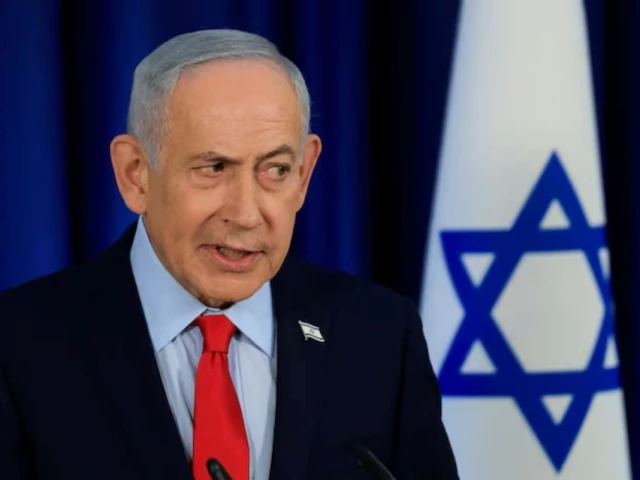
Finance Minister Bezalel Smotrich called for the British ambassador in Tel Aviv to be expelled, while National Security Minister Itamar Ben-Gvir has asked Netanyahu to close the British Consulate in East Jerusalem, which is accredited to the Palestinian Authority in the West Bank. Israeli President Isaac Herzog meanwhile accused Britain of interfering in Israel's upcoming elections, due in late October.
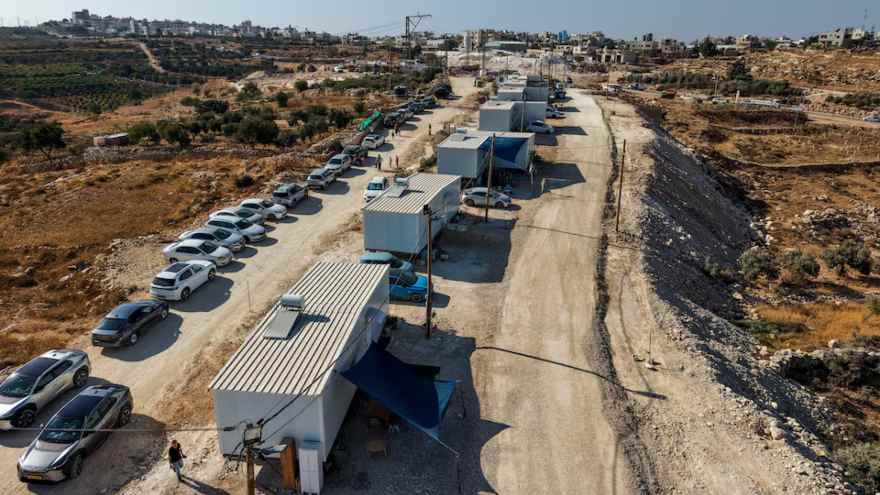
The focus of recent concerns is Israel's E1 settlement project in the West Bank not far from Jerusalem, which would cut across land the Palestinians seek for a future independent state and which Miliband said put the two-state solution at risk.
Smotrich on Tuesday announced the advance of plans for 1,000 new homes in two other settlements in the West Bank. The United Nations, Palestinians and most countries regard settlements as illegal under international law. Israel disputes this.
Britain in 2025 joined other countries to recognise a Palestinian state as a means to promote a two-state solution, and in June it sanctioned Israeli networks involved in financing, enabling and carrying out violence in the Israeli-occupied West Bank.
Israel-UK relations have become increasingly strained in recent years with London criticising Israel's conduct in Gaza, the expansion of settlements in the West Bank and rising settler attacks on Palestinians. US Ambassador to Israel Mike Huckabee sanctions amounted to "discrimination against the Jewish people".
He warned they could potentially limit the UK's ability to do business in some US states that prohibit companies that boycott Israel from being eligible for state government contracts, procurement or public investment. Goods originating from settlements are mainly agricultural, including fresh produce and wine, and make up only a tiny fraction of Israel's total trade flows.
The Israeli prime minister's office and foreign ministry did not immediately respond to requests for comment. Miliband said on Tuesday that Britain, France and Canada were joining the Netherlands, Ireland, Belgium, Spain and Norway in banning goods or planning to ban goods from the West Bank.
Continue Reading: More in International
Swipe or click arrows to explore International desk coverage